







Housing affordability and availability remain major challenges across the Greater Toronto Area. With limited supply and growing demand, both home prices and rental rates continue to be impacted by the ongoing housing shortage.
In October 2025, the Province of Ontario introduced Bill 60 – the Fighting Delays, Building Faster Act, 2025. The goal of this legislation is to improve efficiency within the housing system by reducing delays and improving processes, particularly at the Landlord and Tenant Board (LTB). Bill 60 also introduces changes intended to streamline the approval process and reduce delays for new housing construction projects.

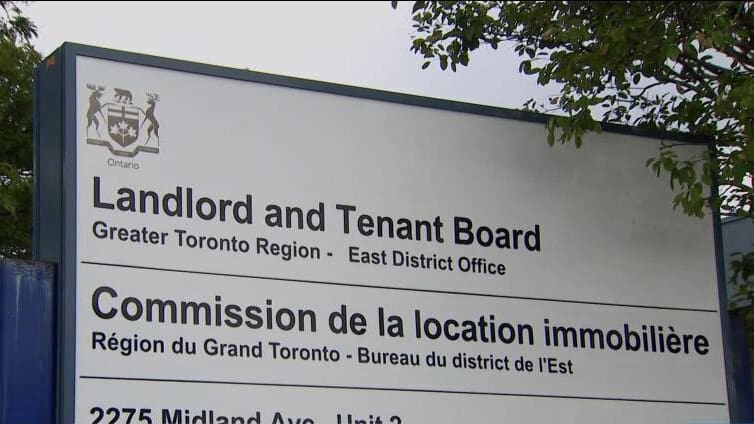
Key Changes to the Landlord and Tenant Board
Bill 60 introduces several reforms designed to streamline how rental disputes are handled:
- Faster enforcement of evictions for non-payment of rent
- Shorter appeal timelines, reduced from 30 days to 15 days
- Clearer rules around “persistent late payment”, with the government now defining what qualifies
Currently, landlords can issue an N4 notice the day after rent is missed, and tenants have 14 days to pay and void the notice. Under Bill 60, that grace period would be reduced to 7 days.
Landlords who plan to move into their own rental property would no longer be required to pay one month’s compensation, provided they give at least 120 days’ notice and align the termination date with the end of the lease term.
Another notable change requires tenants to pay 50% of outstanding rent before raising maintenance or landlord conduct concerns during hearings that focus on unpaid rent. This is intended to keep rent-focused hearings more streamlined and efficient.
In addition, eviction delays would only be granted if tenants meet specific, regulation-based criteria, rather than on a broader discretionary basis.
Broader Impact on Housing Development
Bill 60 also addresses development charges and other policies that influence how quickly and affordably new housing can be built. The legislation introduces measures such as clearer reserve fund reporting and greater transparency around how development charge funds are collected and used. These changes are intended to bring more consistency and accountability to the development process.
What This Could Mean Going Forward
Overall, Bill 60 is designed to reduce uncertainty and improve predictability within both the rental and construction sectors. Supporters believe these changes could make housing projects more feasible and speed up delivery timelines, while others continue to assess how these reforms may affect tenants, landlords, and the broader market.
As the legislation takes effect, its real-world impact on housing costs and availability will become clearer over time.

Meet The Team
Find out how our refined systems and deep neighbourhood knowledge help you make the most of your real estate journey.